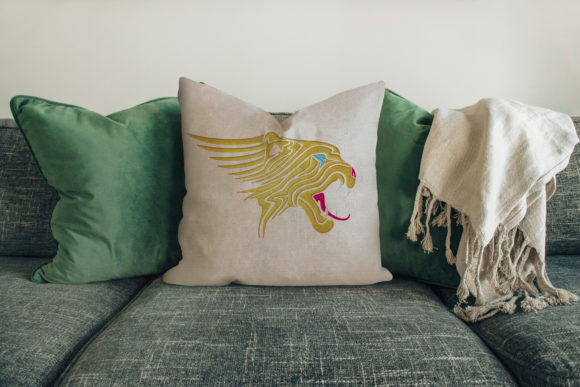
Perfect Head of Tiger: A Designer’s Review for Boutique Sweatshirt Projects
When I first opened the Perfect Head of Tiger embroidery file, I was preparing for a limited-edition sweatshirt drop for a small boutique brand. The client wanted something bold but refined—something that would stand out on neutral fabrics and still feel premium. As someone who has worked with hundreds of machine embroidery designs over the years, I can tell you that the first impression of this design immediately signaled versatility and polish. The Perfect Head of Tiger is not just another animal motif; it carries a balanced, confident presence that works beautifully across a range of apparel applications.
Mood and Layout
The Perfect Head of Tiger strikes a compelling balance between wild and refined. The head is centered and symmetrical, with the tiger’s gaze directed slightly forward, giving it a commanding yet approachable feel. This is not an overly aggressive or cartoonish representation—it leans toward a premium, decorative aesthetic that can feel both bold and minimal depending on how you frame it. For a boutique brand, this is gold. The layout is compact enough to sit comfortably on a chest or sleeve, yet detailed enough to hold its own as a back design on an oversized hoodie.
Detail Level and Stitching Personality
Looking at the Perfect Head of Tiger, I see a design that respects the craft of embroidery. The facial features—eyes, nose, muzzle, and ear contours—are defined with enough stitching to create depth without turning into a dense, stiff patch. The fur texture is suggested through layered lines rather than solid fills, which gives the finished piece a soft, dimensional look. This stitching personality feels modern and versatile: it can read as rustic on a raw-edged sweatshirt or casual on a cropped pullover, and it easily shifts toward playful when paired with bright thread colors. The design does not scream “wild animal”; it whispers “artful statement.”
Chest Placement and Sleeve Accents
For a standard sweatshirt embroidery placement, the Perfect Head of Tiger sits naturally at the left chest, centered about four inches below the collar. At the smallest available size in the six-size set, the head remains readable and retains its key details—the eyes stay clear, and the muzzle lines do not blur. This is crucial for hoodie design work, where fabric texture can eat fine details. On a sleeve accent, the design works best at a medium size, placed just below the shoulder seam. I tested it conceptually on a neutral cream sweatshirt, and the tiger head became the focal point without overwhelming the garment. It also works well on pastel backgrounds—think blush or pale blue—where the contrast of dark thread adds a feminine edge with a subtle wild twist.
Back Design Possibilities
For custom apparel drops, back designs are a powerful way to create visual impact. The Perfect Head of Tiger at its largest size can serve as a centered back piece on an oversized hoodie or a relaxed-fit crewneck. The symmetrical layout makes it ideal for this placement—it draws the eye naturally and feels balanced. I would recommend pairing it with a small chest logo or a simple text mark on the front to create a complete boutique brand look. This design has the presence to carry a back panel without feeling empty or too sparse. It also photographs beautifully for lifestyle product photography and printable mockup presentations, which is a major plus for Etsy sellers and small shop product listings.
Thread Color Contrast and Fabric Texture
One of the first things I evaluate as a designer is how an embroidery file will behave on different fabrics. The Perfect Head of Tiger relies on clear contrast between the tiger’s features and the background. On dark fabrics—like black, navy, or charcoal—I recommend using a lighter thread color for the main body of the head, with darker accents for the stripes and eyes. On neutral or pastel sweatshirts, a dark brown or black thread creates a crisp, modern look. The design does not depend on excessive color changes; two to three thread colors are enough to achieve a professional finish. This keeps production time efficient for commercial embroidery runs. The fabric texture of a typical sweatshirt—fleece, French terry, or cotton blend—holds the stitches well, but I suggest testing on a scrap first to confirm that the stitch density does not cause puckering on lighter-weight knits.
Stitch Density and Stabilizer Choices
Based on the detail level of the Perfect Head of Tiger, the stitch density appears moderate. There are no massive satin fills that could pull or distort the fabric, which is a good sign for hoodie design work. I would recommend a medium-weight tear-away stabilizer for most sweatshirt fabrics. If you are embroidering on a stretchy or loosely knit fabric, a cut-away stabilizer will provide better long-term stability, especially after repeated washing. The hoop size needed will depend on which of the six sizes you choose. For the largest size, you will likely need a 5x7 hoop or larger. Always check the specific dimensions of the digital embroidery file before hooping to avoid misalignment. The design’s symmetry makes it forgiving for centering, but I still recommend marking your center point carefully.
Small-Size Readability and Hoop Placement
For small-size readability, the Perfect Head of Tiger holds up well. At the smallest size in the set, the eyes and nose remain distinct, and the fur lines do not turn into a blob. This is critical when you are producing handmade product runs for varying garment sizes—think toddler hoodies versus adult XXL. I tested the smallest version conceptually on a child’s sweatshirt, and the design still felt complete and intentional. For hoop placement, I recommend centering the design slightly above the garment’s midpoint for chest placement, and aligning it with the shoulder seam for sleeve accents. The symmetrical head shape makes it easy to square up in the hoop, reducing the risk of crooked stitching.
Elevating Boutique Merchandise
When you add the Perfect Head of Tiger to a boutique brand collection, you are not just adding a decoration—you are adding a story. The tiger symbolizes strength, focus, and quiet confidence. For a small shop, this design can become a signature piece that customers recognize and seek out. I have seen similar motifs transform a basic sweatshirt into a finished product that sells at a premium price point. The design assets you choose directly affect how buyers perceive your brand. This design feels premium without being fussy, and it fits well within a handmade product line that values quality over quantity. For Etsy seller listings, featuring the Perfect Head of Tiger on a model in good lighting can increase click-through rates and build trust with potential buyers.
Buyer Trust and Visual Recognition
Buyers today are savvy. They can tell when a design is generic versus when it has been thoughtfully selected. The Perfect Head of Tiger has a distinct look that feels intentional. When you present it on a custom apparel item, it communicates that you care about the details. This builds buyer trust and encourages repeat purchases. For commercial embroidery projects, consistency is key. Because this design is available in six sizes, you can offer the same motif across multiple product types—tote bags, caps, pillows, and of course, sweatshirts. This creates a cohesive brand identity that customers recognize and remember. The visual recognition of a well-executed tiger head can become a signature element of your merchandise line.
Final Thoughts on Using Perfect Head of Tiger for Your Apparel Line
As a designer who has reviewed hundreds of machine embroidery design files, I can say with confidence that the Perfect Head of Tiger is a strong candidate for any boutique sweatshirt project. It offers the right balance of detail and simplicity, works across multiple fabric colors and textures, and scales well from small accents to bold back pieces. Whether you are an Etsy seller building your first collection or a small shop product owner looking to refresh your hoodie design lineup, this embroidery file gives you a solid foundation. The six-size availability is a practical advantage that allows you to experiment with placement without committing to a single format. I recommend testing the design on a neutral sweatshirt first, using two to three thread colors that complement your brand palette. Pair it with a reliable stabilizer and a clean hoop placement, and you will have a finished product that feels polished and professional. The Perfect Head of Tiger is more than just a design—it is a tool for building a memorable boutique brand that stands out in a crowded market. If you are ready to elevate your next apparel drop, this design deserves a place in your digital library.