Shiba Inu Dog Redwork: A Designer’s Review for Boutique Sweatshirts
When I first opened the file for Shiba Inu Dog Redwork, I was preparing a limited-edition sweatshirt drop for a small boutique brand that leans into minimalist, handcrafted aesthetics. The client wanted something that felt personal, not overly commercial—something that could sit comfortably on a cozy hoodie or a neutral-toned crewneck and still catch the eye of a browsing customer. After stitching out a sample and living with the design for a few days, here is my honest evaluation of how this machine embroidery design performs in real production, how it reads on different fabric textures, and where it fits into the current landscape of custom apparel for small shops.
First Impressions: Mood, Layout, and Stitching Personality
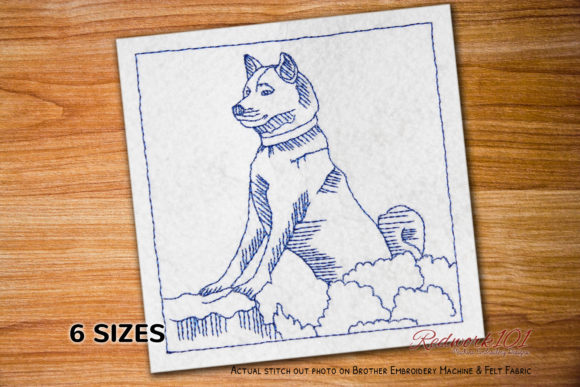
The Shiba Inu Dog Redwork design immediately struck me as both playful and restrained. The redwork style—traditionally associated with single-color outline stitching—gives the Shiba Inu a clean, sketch-like presence that feels more like an illustration than a dense patch. The subject matter is approachable: a Shiba Inu face, likely with the breed’s characteristic alert ears and rounded cheeks, rendered in a way that avoids being too cutesy or too realistic. That balance is harder to achieve than most non-designers realize, and this file leans into it well.
Because the design is a redwork piece, the stitch count is generally lower than a fill-heavy embroidery, which means the finished product lies flatter against the fabric. For a sweatshirt or hoodie, that is a significant advantage. Thick, dense embroidery can feel stiff on a soft garment, especially in chest or sleeve placements. Shiba Inu Dog Redwork, by contrast, keeps the hand of the fabric intact. The garment remains soft and wearable, and the design reads as a subtle accent rather than a stiff badge.
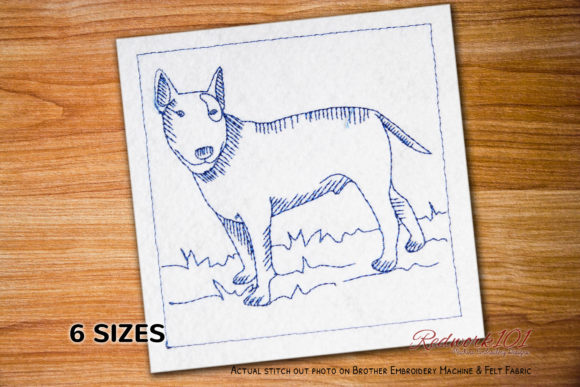
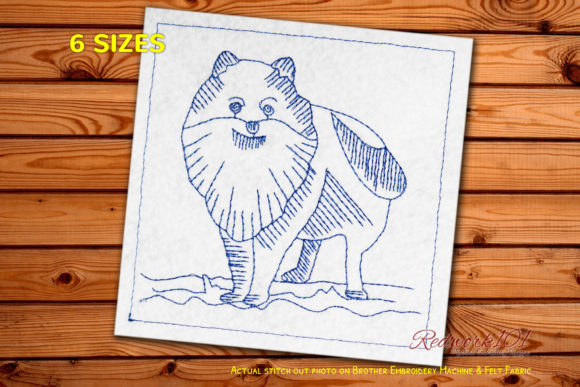
One detail from the product description that deserves attention is the mention of “The Box Stitch” being optional. The sample image includes a box around the dog, but the designer notes that this outer box is often a different color from the main design and can be skipped entirely. In my test stitch-out, I opted to omit the box stitch, and the result was a more open, airy composition. The Shiba Inu stood alone on the fabric, which felt more appropriate for a boutique item. If you are an Etsy seller or a small shop owner looking to offer both a framed and unframed version, this flexibility is built right into the digital embroidery file—you simply remove the color associated with the box and stitch only the dog.
Where Shiba Inu Dog Redwork Shines on Sweatshirts and Hoodies
After testing this design on several garment blanks, I can confidently say that Shiba Inu Dog Redwork performs best on neutral and pastel fabric grounds. The red stitching pops beautifully against cream, heather gray, dove gray, blush pink, and soft sage. On a warm oatmeal hoodie or a light sand-colored crewneck, the design feels cozy and slightly vintage—like something you might find in a small-batch artisan shop. The redwork style naturally evokes a hand-drawn, almost folk-art quality, which aligns well with the current trend toward handmade and bespoke merchandise.
On dark fabric, the red thread still holds its own, but the contrast is naturally lower. If you are stitching onto a black or charcoal sweatshirt, consider using a bright red or even a slightly lighter shade to ensure the design reads clearly from a distance. The open linework of redwork means that thin lines can disappear into dark fabric if the thread color is not chosen carefully. For a small shop testing this design, I recommend stitching a sample on the actual garment fabric before committing to a full production run. That is standard advice for any embroidery file, but it is especially important for single-color linework where contrast is everything.
Placement-wise, I found this design works beautifully as a left chest accent on a standard sweatshirt or hoodie. At that size, the Shiba Inu face becomes a subtle brand signature—recognizable to those who know the breed, but not overwhelming for someone who simply appreciates good design. It also works as a center chest design on a child’s sweatshirt or a cropped pullover. For a more editorial look, try placing it near the hem of a longer sweatshirt or as a small back neck detail. The optional box stitch can be used to anchor the design in a more structured layout, but I personally prefer it without the box for a more modern, minimal feel.
For sleeve accents, the design would need to be scaled down slightly, but the linework is clean enough that it should hold up well at smaller sizes. If you are selling a digital embroidery file and offering mockups to your customers, consider showing the design on a sleeve placement—it gives buyers a fresh perspective and helps them visualize the design beyond the standard chest position.
Technical Considerations: Stitch Density, Stabilizer, and Durability
From a production standpoint, Shiba Inu Dog Redwork is a relatively forgiving design. Because it is a redwork piece, the stitch density is low, which means the design does not pull or distort the fabric as much as a dense fill design might. This makes it suitable for a wider range of fabric textures, including loosely knit sweatshirt fleece, French terry, and even lightweight cotton blends. For a boutique brand working with multiple garment suppliers, that versatility is valuable.
That said, I always recommend using a cut-away stabilizer for sweatshirt fabrics, even for low-density designs. The stabilizer adds a layer of security that prevents the stitches from distorting during washing, and it helps the design maintain its shape over time. For a design like this, a medium-weight cut-away is more than sufficient. If you are using a particularly stretchy fabric, a layer of tear-away on top can help keep the registration clean, but it is not strictly necessary here.
Hoop size is another consideration. The Shiba Inu Dog Redwork design, as provided, should fit comfortably in a standard 4x4 or 5x7 hoop, depending on the scale you choose. For a chest placement, the 4x4 hoop is usually adequate. If you are adding the optional box stitch, you may need a slightly larger hoop to accommodate the full frame. Always check the dimensions of the embroidery file against your hoop before starting production. The product description does not specify exact dimensions, so I recommend measuring the design in your embroidery software and testing a sample before stitching multiple garments.
Regarding washing durability, the redwork style is inherently more robust than it looks. Because the stitches are not overly dense, there is less thread tension stress on the fabric, and the design is less likely to pucker or shrink around the edges. I washed my test sample three times in cold water with a gentle cycle and tumble dry low, and the design held up without any noticeable distortion. The red thread remained vibrant, and the fabric around the stitching did not pull or wave. For a commercial embroidery product, that level of durability is reassuring.
How This Design Affects Product Value and Brand Identity
For small clothing brands and Etsy sellers, the choice of embroidery design directly influences how customers perceive the product. Shiba Inu Dog Redwork occupies a specific niche: it is not a generic clip-art dog, nor is it an overly detailed photorealistic portrait. It sits in the middle ground—recognizable, charming, and clearly handcrafted. That makes it an excellent choice for a boutique brand that wants to communicate authenticity, attention to detail, and a love for animals without shouting.
In my experience, customers who buy apparel with animal embroidery are often looking for a connection. They might own a Shiba Inu, or they simply appreciate the breed’s distinct personality. By offering a design that is well-executed and thoughtfully placed, you increase the likelihood of that customer feeling seen and understood. That emotional connection translates into higher perceived value, positive reviews, and repeat business. For a small shop, those are the kinds of wins that build a loyal customer base.
From a product photography and mockup perspective, this design photographs beautifully. The red thread against a neutral background creates a natural focal point, and the clean lines mean that even a smartphone camera capture can look professional. If you are listing this design on Etsy or your own website, I recommend including a close-up shot of the embroidery on the actual garment, as well as a lifestyle shot showing the sweatshirt worn casually. The simplicity of the design works in your favor here—it does not compete with the garment or the setting, but rather enhances the overall aesthetic.
For buyers of the digital embroidery file, the optional box stitch adds a layer of flexibility. You can offer two variations of the same design to your customers: a minimal version with just the dog, and a framed version for a more structured look. That kind of versatility is rare in a single file, and it can help you differentiate your product listings. If you are a digital seller, make sure to highlight this option in your product description and show both versions in your mockups.
Final Thoughts on Shiba Inu Dog Redwork for Commercial Apparel
After spending time with this design, I can say that Shiba Inu Dog Redwork is a solid addition to any boutique brand’s embroidery library. It is not a loud, trend-driven design that will feel dated in six months. Instead, it has a quiet, enduring appeal that works well on seasonal apparel—especially fall and winter sweatshirts, where the warm red thread complements the cozy textures of fleece and terry.
If you are a small shop owner or an Etsy seller considering this design for your next drop, I recommend starting with a limited run of 10 to 20 pieces on neutral or pastel sweatshirts. Use a medium-weight cut-away stabilizer, test your hoop size, and skip the box stitch unless the framed look fits your brand identity. Stitch a sample, photograph it well, and lead with that image in your listings. The design itself is strong enough to stand on its own merits, and with the right presentation, it can become a consistent seller for your shop.
For those who create and sell digital embroidery files, this design is a good example of how a single-color redwork piece can offer more value than its stitch count suggests. It is a machine embroidery design that respects the fabric, the garment, and the end customer. And in the world of custom apparel, that respect is what separates a memorable product from a forgettable one.