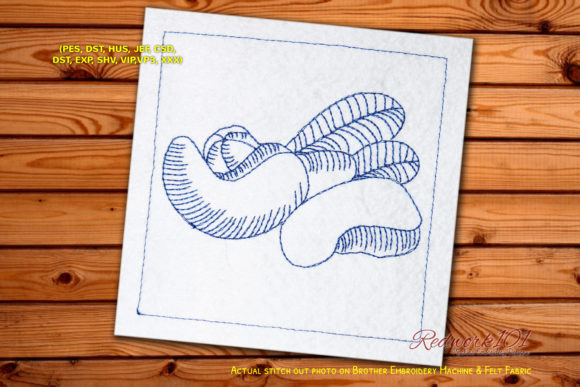
Roasted Cashew Nuts with Leaf Redwork
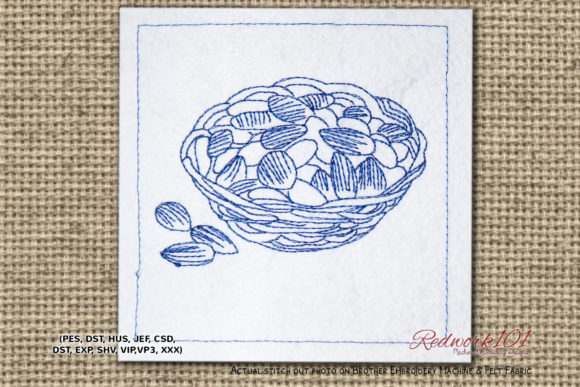
As a professional embroidery designer who spends countless hours selecting machine embroidery designs for seasonal collections, I have developed a sharp eye for what works and what merely fills a hoop. When I first came across Roasted Cashew Nuts with Leaf Redwork on Creative Fabrica, I was immediately intrigued by its quiet charm. This is not a loud, flashy holiday design. It is something more subtle and versatile, a piece that invites the buyer to pause and appreciate the beauty of simple, handcrafted detail. The redwork style gives it a nostalgic, cozy feel that fits perfectly into autumn and winter holiday product lines. The optional box stitch adds a framing element that can either ground the design or be skipped for a more organic look. For anyone building a seasonal embroidery collection, this design deserves a serious look.
A First Impression of Seasonal Mood and Style
The very first thing I noticed about Roasted Cashew Nuts with Leaf Redwork is the way it balances rustic warmth with delicate sophistication. The redwork technique, which traditionally uses red thread on a light background, immediately evokes a sense of vintage American folk art. The cashew nuts themselves feel both familiar and festive, a natural fit for holiday snacking, gift baskets, and cozy kitchen decor. The leaf accent adds a touch of nature that keeps the design from feeling too commercial. The overall emotional tone is warm, inviting, and slightly nostalgic. It is not overly cute or childish, nor is it too formal. It sits in that sweet spot where handmade gifts feel personal and thoughtful. The design feels premium in its restraint, and that is a quality that sells well across multiple product categories during the holiday season.
When I evaluate a design for seasonal use, I ask myself whether it will still appeal to buyers after Thanksgiving, through Christmas, and into the early winter months. Roasted Cashew Nuts with Leaf Redwork passes that test easily. The cashew motif is not tied to any single holiday, which makes it ideal for gift bundles, hostess presents, and everyday kitchen items that extend well beyond December. The redwork stitching also pairs beautifully with classic holiday colors, especially deep reds, forest greens, warm browns, and cream backgrounds. This design feels timeless, and that is exactly what I look for when planning a product line that needs to hold customer interest from one season to the next.
Real Selling Situations for Holiday Shoppers
Let me walk through the real scenarios where Roasted Cashew Nuts with Leaf Redwork shines in a holiday shop collection. First, consider the Etsy seller who curates a line of kitchen towels. A set of two towels, one embroidered with this cashew design and the other with a coordinating leaf motif, becomes an instant gift bundle. The redwork style photographs beautifully for product listings, especially when paired with natural props like wooden spoons, burlap, or sprigs of rosemary. Buyers searching for handmade gifts for the food lover in their life will be drawn to this design because it feels authentic and not mass-produced. The same applies to craft fair displays. A table filled with embroidered aprons, tote bags, and pillow covers featuring this design will stop shoppers who appreciate quality craftsmanship. The design is distinct enough to stand out but simple enough to appeal to a wide range of tastes.
For apparel decorators, Roasted Cashew Nuts with Leaf Redwork works wonderfully on sweatshirts and denim jackets. The redwork style adapts well to garment weight fabrics, and the optional box stitch can be used to create a framed patch effect or left out for a more flowing look. I can easily imagine a limited edition holiday sweatshirt with this design embroidered on the front chest area, paired with a matching tote bag or ornament. Family matching sets are another strong application. Parents can order matching aprons or kitchen towels for a holiday baking session, creating a memory that goes beyond the product itself. The design also translates well into personalized gifts. Adding a monogram or a simple name alongside the cashew motif elevates the product for customers who want something truly unique.
Home decor is another natural fit. Pillow covers with Roasted Cashew Nuts with Leaf Redwork bring a cozy, handmade feel to a holiday living room. The design works on linen, cotton, and even blended fabrics. When displayed in a product mockup on a neutral sofa or a wooden bench, the design immediately communicates warmth and hospitality. Social media previews, especially on Instagram and Pinterest, will perform well with this design because redwork embroidery has a strong visual identity. It is both traditional and trendy, which makes it shareable. Printable mockups featuring the design on a kitchen towel or a tote bag can be used for promotional graphics, and the design holds up well even when scaled in digital previews. The key is to show the design in context so that buyers can imagine it in their own homes.
Where to Use This Design Carefully
No design is perfect for every application, and Roasted Cashew Nuts with Leaf Redwork has a few considerations that every embroidery seller should keep in mind. The first is hoop size. Because the design includes both cashew nuts and a leaf, along with an optional box stitch, the overall dimensions may be larger than expected. I recommend checking the exact hoop size on the Creative Fabrica product page before planning your production. Small hoop sizes, such as 4x4, may work for a simplified version, but the full design might require a larger hoop, especially if you include the box stitch. If you are working with a 4x4 hoop, consider using only the cashew motif without the box or leaf to keep the design readable and balanced.
Another area to approach carefully is the use of tiny details. The cashew nuts themselves have a distinct shape, and the redwork stitching relies on clean, continuous lines. If the design is scaled down too much, the details may become muddy or lose their definition. I always advise testing a stitch-out on a similar fabric before committing to a full production run. Dense stitch areas are not a major concern with redwork, since the style typically uses open, flowing lines, but the box stitch, if included, can add density at the border. For thick towels or high-pile fabrics, make sure you use a proper stabilizer and a sharp needle to avoid skipped stitches or distortion. Dark fabric is another variable. Redwork traditionally uses red thread on a light background, and the contrast is essential to the design's visual impact. On dark fabric, the red thread will not stand out the same way. You may need to use a lighter thread color or a different contrast strategy to achieve the same effect.
Stretchy garments, such as certain types of sweatshirts or knitwear, require careful hooping and stabilizer selection. The redwork style, with its continuous lines, can be more forgiving than dense fill stitches, but the box stitch, if included, may pull on stretchy fabric if not properly stabilized. Curved caps are another challenging surface. The design may work on a flat front panel, but curved caps require a design that adapts well to the curve. I would test this design on a cap before listing it as a finished product. For items that need repeated washing, such as kitchen towels or aprons, make sure the thread is colorfast and the stabilizer is appropriate for the fabric. Redwork designs tend to hold up well over time, but the optional box stitch could add bulk that affects the feel of the fabric. All of these considerations are manageable with proper planning, and they do not diminish the design's overall appeal. They simply require a thoughtful approach to production.
Seasonal Appeal and Buyer Emotion
The holiday shopping season is driven by emotion, and Roasted Cashew Nuts with Leaf Redwork taps into a specific set of feelings that resonate with gift buyers. There is a sense of nostalgia in the redwork style, a reminder of handmade gifts from earlier generations. This emotional connection builds trust and perceived value. When a customer sees a kitchen towel or a tote bag embroidered with this design, they are not just buying a product. They are buying a feeling of warmth, of home, of care. That emotional trigger is what makes a buyer willing to pay a premium for a handmade item. The design also supports brand consistency. If you are building a seasonal collection around rustic, farmhouse, or heritage themes, this design fits seamlessly. It does not compete with other elements in your line. It complements them.
Visual recognition is another factor. The cashew shape is distinctive, and the redwork style is visually unique enough to stand out in a crowded marketplace. In a craft fair or an Etsy search, items featuring this design will catch the eye because they look different from the typical holiday motifs. This gives you an advantage in engagement. Social media posts featuring the design will attract comments and shares because the style is memorable. Buyers are more likely to remember your shop when they see a design that feels personal and crafted. Roasted Cashew Nuts with Leaf Redwork also offers excellent giftability. It works for food lovers, home cooks, and anyone who appreciates handmade decor. It is not limited to a single demographic, which broadens your customer base during the holiday rush.
Practical Embroidery Designer Notes
Before you add Roasted Cashew Nuts with Leaf Redwork to your seasonal product collection, I recommend a few practical steps. First, test thread colors on both light and dark fabric. The redwork effect is strongest on a light background, but you may discover that a deep burgundy or a warm rust thread creates an unexpected and beautiful variation that appeals to buyers looking for something different. Check the stitch density after your first test stitch-out. Redwork designs typically have low to moderate density, but the optional box stitch may add more stitches than you expect. If the density feels too high for your intended fabric, consider skipping the box stitch or using a lighter stabilizer. Confirm the hoop size before you start production. If the design requires a larger hoop than you typically use, you may need to adjust your product offerings or scale the design if the file allows it.
Use proper stabilizer for every project. For towels and kitchen linens, a tear-away stabilizer works well. For apparel, a cut-away stabilizer provides better long-term stability. Create realistic mockups for your product listings. The design will look its best when shown on a finished item rather than just a digital preview. Photograph the stitched product in natural light and with complementary props. Pay attention to small details after stitching. Check for any loose threads, uneven tension, or distortion around the box stitch. Plan matching color palettes for your collection. A set of items in cream, red, and natural linen will create a cohesive look that buyers love. Finally, check the Creative Fabrica product details and licensing information before you sell finished products. Make sure you understand the terms for commercial use, especially if you plan to sell items in high volume. A little preparation goes a long way in building a successful seasonal embroidery business.
Roasted Cashew Nuts with Leaf Redwork is a thoughtful, versatile design that deserves a place in any holiday embroidery collection. It blends the charm of traditional redwork with a modern, food-friendly motif that appeals to a wide audience. With careful planning and attention to the details I have outlined, this design can become a consistent seller across multiple product categories. Whether you are a seasoned Etsy seller or a small shop owner just starting your seasonal line, this Creative Fabrica embroidery file offers the kind of warmth and quality that holiday shoppers are looking for.