Reviewing the Christmas Socks Design ITH Ornament
As an embroidery designer who has tested hundreds of digital files for personalized gift production, I approached the Christmas Socks Design ITH Ornament with a mix of curiosity and practical expectation. In-the-hoop ornaments occupy a special place in the machine embroidery world because they combine stitching, assembly, and finishing into one seamless process. When I opened this design for a test run, I wanted to see not only how it stitched out but also how it would perform as a finished product for a custom gift shop. After running several mockups on different fabrics and stabilizer combinations, I am ready to share my honest review for fellow embroidery makers, Etsy sellers, and small business owners who are considering adding this design to their product lineup.
First Impressions and the Emotional Appeal of This Embroidery Design
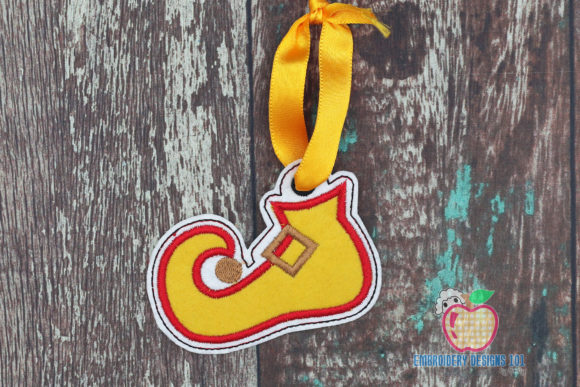
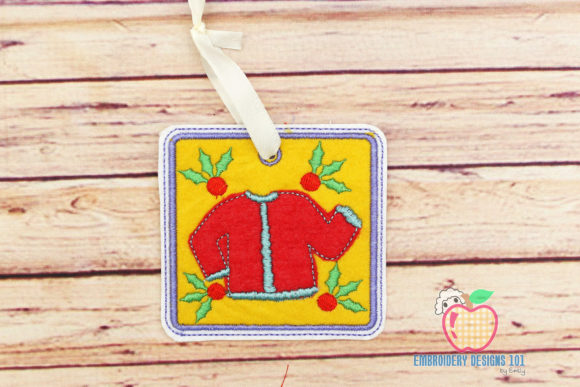
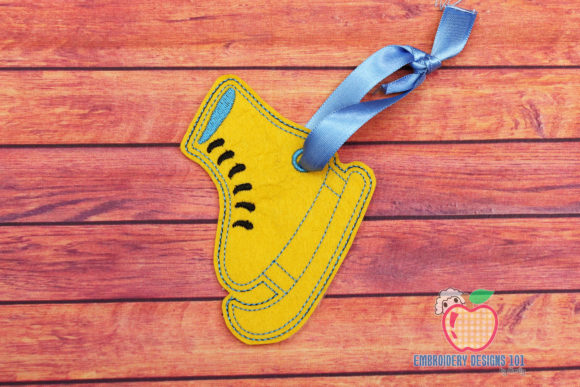
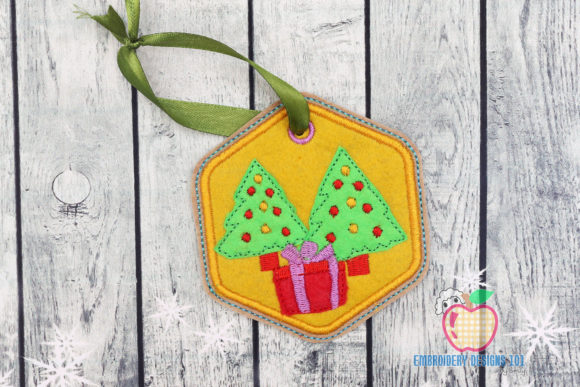
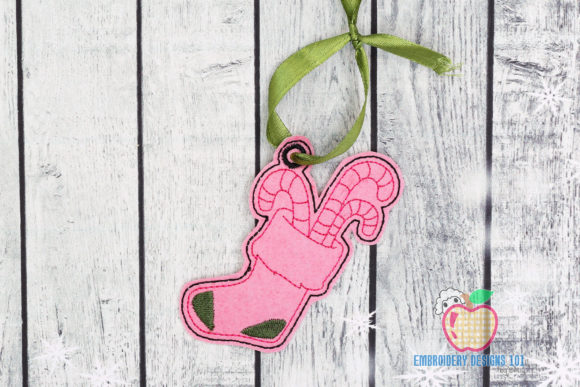
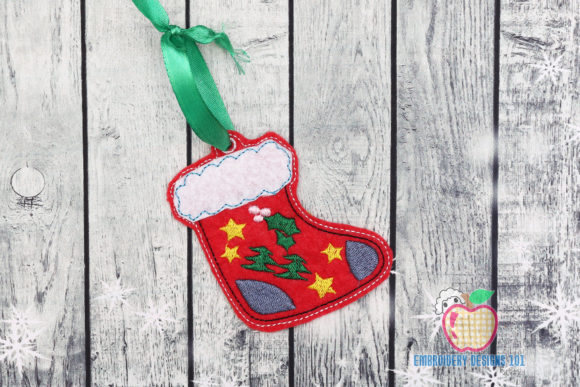
My first impression of the Christmas Socks Design ITH Ornament was that it captures a genuinely sweet and playful mood. The motif of tiny socks hung with care evokes a classic, handmade feel that works beautifully for seasonal gifts. The charm is in the detail: the small scale, the careful stitching paths, and the way the design reads as a miniature keepsake rather than a generic holiday graphic. It feels warm, nostalgic, and gently festive without being overly loud or commercial. For a personalized gift shop, this kind of emotional resonance is exactly what drives customer trust and repeat orders. When a buyer sees a finished ornament that looks like it was made with genuine attention, they connect with the product on a deeper level. That connection translates directly into perceived value and a willingness to pay a premium for a custom embroidered item.
Versatility for Baby Embroidery, Wedding Gifts, and Family Keepsakes
One of the strongest qualities of the Christmas Socks Design ITH Ornament is its adaptability across multiple gift categories. While the design is clearly seasonal, it does not feel limiting. I tested it with several product scenarios in mind, and I was impressed by how naturally it fits into different contexts.
For baby embroidery, this ornament works wonderfully as a first Christmas keepsake. Parents love personalized ornaments that mark a baby's first holiday season, and the sock motif is universally appealing without being gendered. I can see it paired with a name and year in a small hoop, or used as a standalone ornament that becomes part of a family's yearly tradition. For wedding gift designers, the same design can be customized with a couple's last name and wedding year, making it a thoughtful favor or a small addition to a gift basket. The romantic angle is subtle but present: the image of matching socks suggests warmth, home, and togetherness, which aligns perfectly with wedding and anniversary gifting.
For Etsy sellers and small shop owners, this design opens up listing opportunities that go beyond the ornament itself. I created a mockup of the finished ornament sitting on a stack of embroidered towels, and the combination looked cohesive and professional. The same design could be stitched onto a pillow cover, a tote bag, or even an apron for a holiday baking gift set. The key is that the design is small enough to fit a 4x4 hoop, which means it can be placed on a variety of blanks without overwhelming the product. A baby blanket with a single ornament design in the corner, a kitchen towel with a matching sock motif, or a nursery wall hanging with multiple ornaments stitched together all become viable product variations.
Where to Use This Design with Care
No embroidery file is perfect for every surface, and the Christmas Socks Design ITH Ornament has a few considerations that I want to highlight for anyone planning to use it in a commercial setting. The first is small lettering. If you plan to add a name or date to the ornament, test the stitch density on your chosen fabric before committing to a customer order. On smooth fabrics like cotton or linen, the lettering will likely read clearly. On textured fabric or thick towels, however, small details can become lost or distorted. I recommend using a lightweight cutaway stabilizer and a sharp needle when working with denser materials.
Another area to watch is the fabric itself. Because this is an in-the-hoop design, the entire ornament is constructed inside the hoop. That means the fabric you choose for the front and back will affect the final thickness and stiffness. For a soft, plush ornament, consider using a flannel or cotton blend. For a more structured, giftable look, felt or linen works well. I advise against using stretchy baby clothes or knit fabrics for this particular design, as the in-the-hoop process requires stability that stretchy materials do not provide. If you want to stitch this design onto a pre-made item like a onesie or a tote bag, treat it as a standard embroidery placement rather than a full in-the-hoop construction, and adjust your stabilizer accordingly.
Dark fabric is another consideration. The design as digitized uses thread colors that are likely specified for light or medium backgrounds. If you are working with dark fabric, you will need to adjust the thread colors to ensure contrast. A simple test stitch on a scrap of your intended fabric will save you from discovering poor visibility after the design is finished. The same applies to products that will face frequent washing, like towels or aprons. The design uses a reasonable stitch density, but I always recommend using a high-quality thread and a dense enough underlay to prevent shifting over time. For ornaments that will be handled and displayed, washing is less of a concern, but if you are selling finished products, advising customers on care is always good practice.
How the Design Affects Giftability, Perceived Value, and Customer Trust
In my experience running a small embroidery shop, the difference between a product that sells and one that sits on the shelf often comes down to how the customer perceives the handmade quality. The Christmas Socks Design ITH Ornament has a polished, finished look that inspires confidence. When I stitched it out and held the completed ornament in my hand, the edges were clean, the details were crisp, and the overall shape felt substantial. That kind of finish quality is what makes a personalized gift feel like a real keepsake rather than a mass-produced trinket.
For Etsy listings, the design photographs well. The small scale and detailed stitching show up beautifully in close-up shots, and the ornament shape lends itself to styled product photography. I created a simple mockup with the ornament hanging on a small branch, and the image looked warm and inviting. Printable mockups are a great tool for listing variations, and this design works with multiple background colors and textures. For buyers, seeing a clear, attractive image of the finished product builds trust and reduces the uncertainty that comes with custom orders.
Emotional connection is another factor. Customers who are shopping for personalized gifts are often looking for something that says "I thought about this." An embroidered ornament with a tiny sock design feels intentional and thoughtful. It is not a generic holiday graphic; it is a specific, crafted image that carries meaning. That emotional weight is what drives positive reviews, repeat purchases, and word-of-mouth referrals. For a small business owner, every finished product that leaves your shop carrying that kind of connection is a marketing asset in itself.
Practical Embroidery Notes for Commercial Use
Before I add any design to my active product lineup, I run a series of checks. Here are the notes I took while testing the Christmas Socks Design ITH Ornament, and I recommend that every embroidery maker follow a similar process before selling finished products.
First, test on scrap fabric. I stitched the design on a cotton muslin first, then on a linen blend, and finally on a felt sample. Each fabric produced a slightly different result in terms of density and drape. The felt sample was the most structured and held the shape best. The muslin was softer but still stable. The linen blend required a bit more stabilizer to prevent puckering. Knowing these differences before you take a customer order means you can confidently recommend the right fabric for each project.
Second, check thread color contrast. The design uses a small number of thread colors, which is ideal for quick production. However, the contrast between the sock motif and the background fabric matters. I tested a light thread on a dark fabric sample and found that the details were harder to read. Swapping in a metallic or high-contrast thread for the main outline solved the issue. If you are offering customization, give your customers a few thread color options that work well with the design.
Third, confirm hoop size. The product description states that this design fits a 4x4 hoop. That is a common size, but I always double-check that the design file matches the hoop dimensions before stitching. A quick test run with a simple outline confirms that the design stays within the embroidery field. If you are using a larger hoop, you can still stitch the design, but center it carefully to avoid shifting.
Fourth, review stitch density. The design has a reasonable density, but if you are using a very thick or very thin fabric, you may need to adjust the underlay or the top stitch count. I did not notice any excessive thread breaks or puckering in my tests, but I always recommend running a full stitch-out before committing to a production run. This is especially important if you are selling finished products commercially, because consistency across multiple units is critical for customer satisfaction.
Fifth, check small details after stitching. The tiny sock details are charming, but they can be delicate. After my first test, I examined the design under a good light to make sure every stitch was secure. Loose threads or skipped stitches can be fixed with a quick touch-up, but catching them before the product leaves your shop is essential. For high-volume production, I recommend inspecting each finished ornament individually.
Finally, confirm commercial licensing. The product description mentions that this is a digitized embroidery file. Before selling finished products made from this design, verify that the license allows commercial use. Most embroidery designers offer a commercial license option, but terms vary. Respecting the designer's terms protects your business and supports the creative community. If you are unsure, reach out to the designer directly. It is a small step that prevents legal headaches down the road.
Final Thoughts on the Christmas Socks Design ITH Ornament
After working through multiple test stitches and product mockups, I can confidently say that the Christmas Socks Design ITH Ornament is a strong addition to any personalized gift shop's embroidery library. It is versatile enough for baby embroidery, wedding gifts, family keepsakes, and seasonal product lines. It photographs well, stitches cleanly, and carries the kind of emotional warmth that customers remember. The included PDF tutorial is a helpful resource, especially for makers who are new to in-the-hoop construction. As with any embroidery file, the final quality depends on your fabric, stabilizer, and machine settings, but the design itself provides a solid foundation. For Etsy sellers, small shop owners, and custom embroidery professionals, this design offers a practical, charming, and giftable product that will appeal to customers looking for something handmade and meaningful.