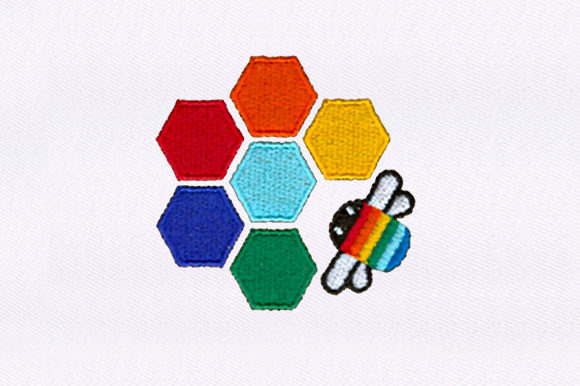
Honeycomb and Bee Embroidery
As an embroidery designer with years of experience, I always look for designs that bring both visual appeal and practicality to custom apparel projects. The Honeycomb and Bee embroidery design from Creative Fabrica offers a unique blend of charm and versatility, making it a solid choice for boutique brands and handmade businesses.
First Impressions: Visual Personality and Detail
The Honeycomb and Bee design has a soft, whimsical feel that leans into the cute and playful side of embroidery. Its intricate honeycomb pattern paired with a delicate bee adds a touch of elegance without being too bold. The detail level is impressive, with clear lines and defined shapes that translate well onto fabric. This design feels premium enough for high-end boutique apparel but still maintains a casual, approachable vibe that suits a wide range of styles.
Whether you're working on pastel hoodies or dark sweatshirts, the design holds its own. The stitch density is balanced, allowing for good coverage without overwhelming the fabric. It’s ideal for small chest placements or sleeve accents where subtlety is key.
Performance on Different Apparel Types
For sweatshirt embroidery, the Honeycomb and Bee design works best when placed on the chest or as a back piece. On oversized garments, it provides a nice focal point without appearing cramped. On t-shirts, it can be used as a subtle graphic, especially if the design is scaled down.
When considering tote bag design, the Honeycomb and Bee adds a stylish, handmade touch that complements both casual and lifestyle-oriented products. It also pairs well with denim jackets, offering a gentle contrast against the fabric texture.
For seasonal outfits, this design can be a great addition to cozy sweaters or lightweight jackets. Its visual personality makes it suitable for both spring and fall collections, depending on the color choices and fabric selection.
Use Cases and Placement Considerations
The Honeycomb and Bee design is particularly effective in areas that require careful stitching, such as small chest placements or curved surfaces. Its clean lines make it less likely to distort on stretchy fabrics like fleece or ribbed materials. However, it's important to use the right stabilizer to prevent puckering or shifting during the embroidery process.
On dark garments, the design stands out well, especially when using contrasting thread colors. For lighter fabrics, consider using a darker thread to ensure visibility. Tiny lettering or detailed elements may need extra attention to avoid distortion, so testing on scrap fabric is always a good idea.
Impact on Brand Identity and Customer Engagement
For small shop products, the Honeycomb and Bee design can elevate the perceived value of your offerings. Its clean, modern aesthetic helps build brand recognition, especially when used consistently across different items. As an Etsy seller, having a cohesive visual theme can improve customer trust and encourage repeat purchases.
When creating printable mockups or social media graphics, this design adds a professional touch that enhances your online presence. It’s also useful for commercial embroidery projects where consistency and quality are essential.
Practical Designer Notes
Before finalizing any project, test the Honeycomb and Bee design on similar fabric to see how it behaves. Check the hoop size required and ensure your machine can handle the file formats provided. Review the thread color contrast to make sure it matches your vision for the finished product.
Confirm the licensing terms for the Creative Fabrica embroidery file before selling any finished apparel. While the design is versatile, it’s important to follow all guidelines to protect your business and your customers.
Overall, the Honeycomb and Bee embroidery design is a valuable addition to any custom apparel collection. Its balance of detail, style, and practicality makes it a smart choice for boutique brands, handmade businesses, and creative entrepreneurs looking to add a touch of nature-inspired flair to their products.