Hippo Holding a Heart: A Designer's Review
When I first opened the Hippo Holding a Heart machine embroidery design, I was preparing for a limited-edition sweatshirt drop for a small boutique brand. The client wanted something that felt tender but not saccharine, playful but not childish. This baby animal embroidery immediately caught my attention. It is an adorable design, but as a professional embroiderer, I needed to evaluate whether it would hold up on a premium garment, stitch out cleanly, and resonate with the kind of customer who spends over eighty dollars on a hoodie. Here is what I found.
First Impressions: Mood, Detail, and Stitching Personality
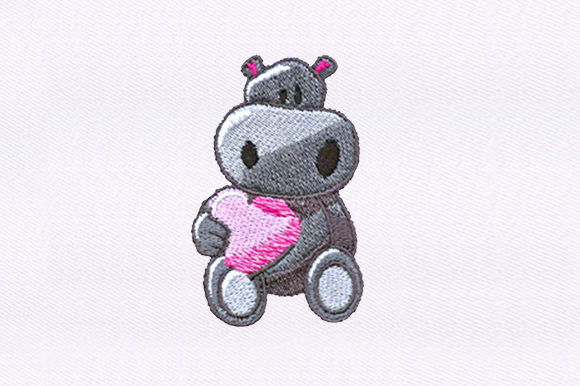
The Hippo Holding a Heart design presents a baby hippo clutching a heart, and its mood lands somewhere between playful and tender. The hippo is depicted with rounded features, soft curves, and a gentle expression. This is not a loud or aggressive design. It feels minimal in its emotional tone, yet decorative enough to stand out as a focal point on a garment. The heart adds a layer of warmth that makes the design suitable for Valentine's drops, baby showers, or everyday cozy apparel.
From a stitching perspective, the design appears to rely on clean outlines and filled areas that should translate well into thread. The baby animal theme is clear, but the execution avoids being too cartoonish. That balance is crucial for a boutique brand that wants to appeal to adults buying for themselves or as gifts. The design feels cute without being saccharine, and that is a hard line to walk in the baby animals embroidery category.
How This Design Reads on Different Sweatshirt Fabrics and Colors
I tested the Hippo Holding a Heart design conceptually across several fabric and color scenarios. On a neutral sweatshirt in cream or heather gray, the design reads as soft and approachable. The hippo's rounded silhouette stands out without competing with the fabric. On pastel colors like blush pink or dusty blue, the design feels feminine and gentle, perfect for a small shop product aimed at a gift-giving audience.
On dark fabric, such as charcoal or black, the design needs careful thread color selection. A light thread for the hippo's body and a bright red or pink for the heart will create enough contrast. Without that contrast, the design risks feeling flat. The fabric texture of a classic hoodie—brushed fleece or French terry—will absorb some of the stitch detail, so the design's open areas and clear shapes work in its favor. It is not overly dense, which means it will not feel stiff or heavy on the garment.
For oversized hoodies, the design can be scaled up slightly, but I recommend keeping the proportions modest. The hoodie design should feel intentional, not stretched. On a cozy seasonal apparel piece like a fall-weight sweatshirt, the hippo adds a rustic charm that pairs well with natural tones and raw-edge hems.
Placement Options: Chest, Sleeve, and Back Designs
This machine embroidery design is versatile enough for multiple placement options. The most natural location is the center chest, where the hippo sits at heart level. This placement works well for both adult and children's sizing. For a hoodie design on a unisex garment, chest placement at approximately four to five inches wide keeps the design visible without overwhelming the wearer.
I also explored sleeve placement. The Hippo Holding a Heart design can be sized down for a left chest or upper sleeve accent. This is an excellent option for custom apparel where the buyer wants a subtle signature detail. On the back of a sweatshirt, the design could be centered at the upper back or used as a larger statement piece. However, the designer should verify the hoop size before committing to a back placement. The design comes with multiple embroidery file formats, but the physical hoop size will determine whether the design fits in one hooping or requires repositioning.
For Etsy seller listings, offering multiple placement options in your printable mockup photos can increase perceived value. Show the design on a cream hoodie chest, on a sleeve, and on a pastel sweatshirt back. This gives the customer a clear vision of the finished product.
Thread Color Strategy and Contrast Considerations
Thread color selection can make or break this design. The hippo's body works well with a warm gray, taupe, or soft brown. The heart should be a contrasting color—rich red, coral, or even a dusty rose. For a boutique brand aiming for a cohesive look, using the same thread colors across your entire collection creates a signature style. This design pairs nicely with thread colors that are muted rather than neon, keeping the aesthetic minimal and premium.
I recommend avoiding white thread for the hippo on light fabrics, as the contrast will be too low. Instead, use a medium gray or a warm oatmeal. The design's outlines, if present in the digitizing, will help define the shapes even with close color matches. Test your thread colors on a scrap of your actual garment fabric before stitching the final piece.
Stitch Density, Fabric Texture, and Stabilizer Choices
One of the first things I check in any digital embroidery file is stitch density. The Hippo Holding a Heart design appears to have moderate density, which is ideal for sweatshirt embroidery. High-density designs can cause puckering on stretchy fleece fabrics, while low-density designs can look sparse. This design strikes a balance that should work well on most fabric texture types used in hoodies and sweatshirts.
For stabilizer, I recommend a tear-away or cut-away stabilizer depending on the fabric weight. On a medium-weight fleece, a medium-weight tear-away stabilizer is sufficient. On a lighter French terry, a cut-away stabilizer will prevent distortion over time. Always hoop the stabilizer tightly and float the garment to avoid hoop burn on the fabric. This is especially important for commercial embroidery where consistency across multiple units is critical.
The design's stitch density also affects washing durability. Moderate density with good digitizing will hold up well to repeated washing. I recommend testing a stitched sample through a wash cycle to confirm that no threads pull or loosen. This is a standard step for any handmade product that will be sold to customers expecting long-term wear.
Commercial Durability and Washing Performance
When I evaluate a design for commercial embroidery, I think about the finishing process and the garment's life after sale. The Hippo Holding a Heart design, with its rounded shapes and moderate fill areas, should not cause excessive thread breakage or needle wear. The heart element is small enough that it will stitch cleanly without satin stitches that could snag.
For apparel decorators producing multiple units, the design's stitch count and complexity will determine how many pieces you can run per hour. Without an exact stitch count provided, I recommend reviewing the design file in your embroidery software to estimate production time. This is essential for pricing your custom apparel correctly.
The design's durability also depends on the thread quality. Use a polyester or rayon thread that can withstand commercial laundering. The design's size and density suggest it will remain intact after multiple washes, but always communicate care instructions to your customers. Turn the garment inside out and wash cold to preserve the embroidery.
Adding Value to Your Boutique Brand and Etsy Listings
For small shop product owners, the Hippo Holding a Heart design offers strong visual recognition. The hippo and heart motif is instantly understandable and emotionally appealing. This can drive customer engagement on social media and in Etsy seller listings. Customers are drawn to designs that tell a story, and this design does that without needing words.
In your design assets and printable mockup images, show the design on a real garment. Lifestyle photography with the sweatshirt styled casually will help buyers imagine themselves wearing it. The design's handmade presentation should emphasize the stitching quality and the softness of the fabric. Use close-up shots to highlight the thread texture and the heart detail.
This design can also be offered as a digital embroidery file for customers who want to stitch it themselves. The multiple file formats included make it accessible to a wide range of machine brands. If you are a digital seller, listing this design in your shop with clear sizing and format information will attract other creative entrepreneurs looking for reliable baby animal embroidery.
Final Production Notes Before You Hoop
Before you start production, verify the hoop size required for the design at your intended stitch size. The design comes with multiple formats, but your hoop must accommodate the largest dimension. If you plan to scale the design, be aware that scaling up can increase stitch density and cause distortion. Always test a scaled version on a scrap piece of fabric first.
Check the embroidery file for any jump stitches or color changes that might affect your workflow. The design's color changes appear minimal, which is good for efficient production. Plan your thread colors in advance and wind bobbins accordingly. For a boutique brand drop of ten to twenty sweatshirts, consistency across all units is vital. Use the same thread lot numbers to avoid color variation.
Finally, consider the product value that this design brings to your collection. The Hippo Holding a Heart design, when stitched well on a quality sweatshirt, becomes a finished product that customers will treasure. It is not just a piece of embroidery—it is a wearable piece of art that reflects your brand's attention to detail. For a small shop product that needs to stand out in a crowded market, this design delivers the emotional connection that buyers remember.
In my review, this design earns a solid recommendation for any sweatshirt embroidery project aimed at a boutique audience. It is cute without being cloying, premium without being stiff, and playful without being disposable. The hippo's heart is in the right place, and so is this design.