Friendly Clown – A Circus Embroidery Design for Craft Fair Success
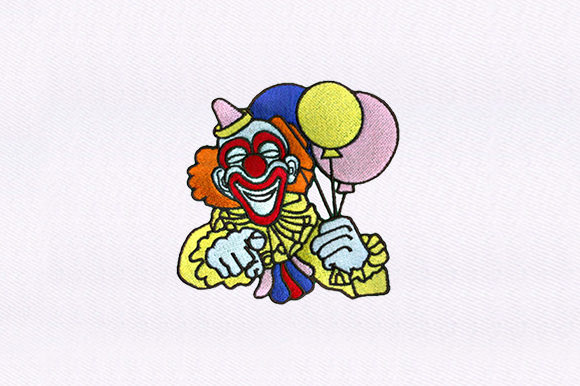
When I first opened the Friendly Clown machine embroidery design, I braced myself for something overly cartoonish or overly complicated. Clown motifs can go either way: they can feel playful and inviting, or they can become visually noisy and hard to sell. I am happy to report that Friendly Clown leans into the bright, welcoming side of the Circus theme. It gives off a festive, slightly retro feel that works well for handmade market products. As someone who has stitched hundreds of designs for craft fair booths, I can see this design drawing attention from shoppers who want something cheerful and unique.
This review will walk through how Friendly Clown performs on real products, what to watch out for during production, and how to position it for strong sales at a weekend craft fair. Whether you are an Etsy seller looking for a new digital embroidery file, or a boutique maker preparing a booth display, this design has potential if handled carefully.
First Impressions of Friendly Clown
The title says it all: this clown is meant to feel friendly, not creepy. The embroidery file reads as bold and festive rather than minimal or elegant. It has a playful, slightly vintage carnival energy that could appeal to buyers looking for something whimsical for a child's room, a circus-themed party, or a quirky kitchen accessory. The design does not try to be subtle, and that is a good thing for a craft fair product. Shoppers walking past a booth need to catch a design in a split second, and Friendly Clown delivers that immediate visual grab with its bright thread colors and clear silhouette.
I would not describe this design as rustic, farmhouse, or premium. It is squarely in the cute-to-funny range, with a touch of nostalgic charm. That makes it a strong candidate for products aimed at kids, grandparents, or anyone who loves a classic circus look. For a handmade product booth, it can break up a row of more serious or minimalist designs and give browsers a reason to smile.
Best Products for Friendly Clown at a Craft Fair
Not every product format suits a clown design. I have tested similar motifs on several surfaces, and here is where Friendly Clown shines brightest.
Tote Bags and Market Bags
A tote bag design is one of the most forgiving and profitable items for a craft fair. Friendly Clown placed on a natural canvas tote creates a fun, casual accessory that works as a gift or a personal buy. The design's bold shapes hold up well on medium-weight fabric, and the thread colors pop against undyed canvas. I recommend sizing the design so it sits centered and takes up about one-third of the bag front. That gives it enough presence to be noticed without overwhelming the product.
Aprons and Kitchen Towels
Apron embroidery and tea towel embroidery are natural homes for a circus-themed design. A Friendly Clown on an apron brings a playful touch to cooking or baking, and it photographs well for online listings. On kitchen towels, the design works best as a smaller accent near the hem or centered on a half-towel. Because towels have a textured surface, I suggest testing the stitch density on a scrap towel first. I will talk more about fabric texture later, but for now, know that Friendly Clown can handle towels if the design is not too dense.
Embroidered Patches and Caps
An embroidered patch is a low-risk, high-margin product for a craft fair. You can stitch a few patches of Friendly Clown and let customers sew or iron them onto jackets, bags, or hats. This design fits the patch format well because its shapes are distinct and do not rely on tiny details that might get lost in a small hoop. For caps, be careful: the curved surface can distort a design if it is too wide or if the stitch density is too high. I would keep the design smaller than the flat front panel of the cap and use a firm stabilizer to prevent shifting.
Pillow Covers and Small Pouches
Pillow covers with Friendly Clown can become conversation pieces on a sofa or a child's bed. The design feels at home on a throw pillow, especially if you pair it with a colorful fabric that echoes the circus theme. Small pouches, like cosmetic bags or pencil cases, also work well. The key is to keep the hoop size reasonable for the product. A tiny pouch with a huge clown face will look cramped, so adjust the design scale to match the product dimensions.
Selling Points and Production Considerations
For a craft fair product to sell, it needs to catch attention, feel well-made, and be easy to reproduce. Friendly Clown checks the first two boxes but requires some planning for the third.
Visual Appeal and Customer Attention
At a booth, Friendly Clown stands out because of its cheerful colors and clear subject. Shoppers are drawn to items that make them smile, and a friendly clown does exactly that. I have seen similar designs sell well when displayed on a bright tablecloth or hung on a grid wall at eye level. The design's thread colors should be chosen to contrast with the base fabric, so the clown's face and hat pop from a distance. A dark background, like navy or black, makes the design look especially dramatic and premium.
Repeatability for Batch Production
One of the biggest concerns for any small shop product is how easy it is to replicate. Friendly Clown appears to have a moderate number of color changes and a manageable stitch density, which means you can stitch multiple units in a session without constant thread breaks or re-hooping. I always recommend stitching a test sample first, noting the exact time per design, and checking thread tension. Once you have a smooth workflow, you can produce a batch of ten or twenty items for a weekend show. That kind of consistency builds brand consistency and handmade quality.
Photography and Online Listings
If you sell on Etsy or another platform, printable mockup images can help you list products quickly. For Friendly Clown, I suggest photographing the finished item on a plain background with natural light. The design's bright colors photograph well, but avoid harsh shadows that can hide the stitching. A close-up shot of the embroidery details helps buyers see the thread texture and quality. If you do not have a physical sample yet, a printable mockup can serve as a placeholder, but nothing replaces a real stitched photo for building trust.
Careful Use Notes for Friendly Clown
Every machine embroidery design has quirks. Here are the ones I spotted with Friendly Clown.
Stitch Density and Fabric Texture
Clown faces often have large areas of solid fill, which can become dense. If the stitch density is too high, the fabric may pucker or the thread may break. I recommend testing on a scrap of the actual fabric you plan to use. For tea towel embroidery or apron embroidery, the fabric is usually medium-weight cotton or linen, which handles moderate density well. For thicker fabrics like terry cloth or fleece, the design may need a lighter backing or a larger hoop size to reduce stress. Always check the embroidery file notes for recommended density and adjust if needed.
Small Details and Lettering
If Friendly Clown includes small lettering or fine details, be aware that those elements can become blurry on textured towels or curved caps. I once stitched a clown design with tiny stars that looked perfect on a flat tote but turned into blobs on a thick kitchen towel. To avoid this, test the design at the intended size on the target fabric. If the details are too small, scale the design up slightly or choose a simpler version. The Friendly Clown design should be clear enough at a glance, but small accents can cause trouble.
Dark Fabric and Thread Contrast
On dark fabric, the clown's face and features need sufficient contrast. Light thread colors, like white, pale pink, or yellow, work well. If the design uses dark outlines on a dark background, the result may be hard to read. I always test on dark fabric with a sample stitch before committing to a batch. A good rule is to use a light-colored stabilizer that will not show through, and to choose thread colors that are at least two shades lighter than the fabric.
Practical Embroidery Designer Notes
Before you start producing items with Friendly Clown, here are the steps I take with every new embroidery file.
- Test the design on scrap fabric that matches your final product. This reveals thread tension issues, density problems, and color balance.
- Check thread contrast by holding thread colors against the fabric. What looks good on a screen may not pop in person.
- Review spacing around the design. Make sure there is enough margin for hooping and finishing.
- Confirm hoop size before cutting fabric. The design must fit within the hoop without crowding the edges.
- Inspect stitch density in the embroidery file software. If the design has dense areas, use a cutaway stabilizer for extra support.
- Use the right stabilizer for the fabric type. Tear-away for stable fabrics, cut-away for stretchy or textured ones.
- Create at least one real mockup of the finished product. Photograph it for online listings and display it at your booth.
- Compare fabric colors to the thread colors in the design. Adjust if the clown's face blends into the background.
- Confirm commercial licensing before selling finished products. The design assets you purchase may have usage terms that affect your business.
These steps may seem basic, but they save time and frustration when you are preparing for a craft fair. A single bad stitch-out can ruin a yard of fabric or a ready-made product, so testing is non-negotiable.
Final Thoughts for Craft Fair Sellers
Friendly Clown is a solid machine embroidery design for anyone selling handmade product at craft fairs, on Etsy, or through a small shop product line. Its festive, approachable mood fits the Circus category well and can attract customers who are looking for something fun and different. The design works best on tote bag design, apron embroidery, tea towel embroidery, and embroidered patch formats. It also performs well on pillow covers and small pouches, as long as the scale is adjusted.
Pay attention to stitch density on textured fabrics, test on dark backgrounds, and always use the proper stabilizer. With a little preparation, Friendly Clown can become a repeat seller in your commercial embroidery lineup. It is not a design for every booth, but for the right audience, it will bring smiles and sales.
Happy stitching, and see you at the next craft fair.