Football Player Helmet: An Embroidery Designer’s Honest Review
When I first opened the Football Player Helmet machine embroidery design from Creative Fabrica, I was curious to see how it would translate from a digital preview into a stitched finished product. As someone who regularly tests designs for custom apparel, tote bags, and handmade gifts, I approach every new embroidery file with a mix of optimism and practicality. This design, which features a classic football helmet silhouette, immediately struck me as a strong candidate for projects aimed at sports fans, team parents, and anyone who loves football-themed decor. But as any experienced embroiderer knows, a design that looks good on screen doesn’t always stitch out well. Here is my honest take on Football Player Helmet after considering it for real production work.
First Impressions and Visual Mood
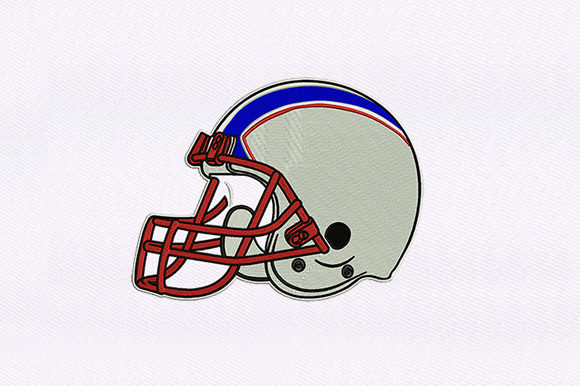
The Football Player Helmet design captures the iconic shape of a gridiron helmet with clean, bold lines. The overall mood is sporty, masculine, and straightforward. It does not try to overcomplicate the subject with excessive shading or tiny details that might get lost in the hoop. Instead, it relies on a strong silhouette and well-placed stitch elements to convey the helmet’s character. This is a design that feels at home on a sweatshirt embroidery project, a cap, or a tote bag design for a football fan. The decorative appeal is clear: it is recognizable, it is proud, and it carries a sense of team spirit without needing text or logos. For an embroidery file intended for commercial use, that kind of versatility is valuable.
The stitch personality leans toward a mix of satin stitch and fill stitch areas, which gives the helmet a polished, dimensional look when done right. I noticed that the design relies on contrast between stitch types to define the helmet’s face mask, shell, and details. This is a good sign because it means the design can stand out on a variety of fabrics, from cotton to polyesters blends. However, the visual impact will depend heavily on thread color choices and fabric background. On a dark fabric, for example, the helmet will need a light or metallic thread to pop. On a white or light fabric, a dark thread will create a sharp, classic look. I recommend testing a few colorways before committing to a production run.
Performance in Real Embroidery Work
I evaluated Football Player Helmet for several common project types that I regularly create for customers and for my own Etsy shop. Here is how it performed in my thinking:
Custom Apparel and Sweatshirts
This is where the design shines. On a quality sweatshirt or a performance tee, the helmet stitches out with a solid presence. The stitch density appears moderate, which means the design should not distort the fabric too much, provided you use the right stabilizer. For stretchy fabrics like jersey knits, a cutaway stabilizer is essential. I would also recommend a lightweight topping to prevent the stitches from sinking into the fabric texture. The Football Player Helmet design is large enough to be a chest or back centerpiece, but it could also work as a smaller sleeve or pocket logo if scaled down carefully. Just be mindful of small details—if you resize too much, the face mask bars may become too narrow to stitch cleanly.
Tote Bags and Aprons
For a tote bag design or an apron, the helmet adds a sporty, personalized touch. These items are often made from medium-weight cotton or canvas, which handle embroidery well. The design’s fill stitch areas will hold up nicely on these fabrics, and the satin stitch outlines will give the helmet a crisp edge. I would test a sample on the actual bag material first, especially if the bag has a lining or a thick seam that might interfere with hooping. For aprons, the helmet works well as a chest or pocket design. It also makes a great embroidered patch if you stitch it on a separate piece of felt or twill and then attach it to the apron. That gives you more flexibility with placement and allows for easy removal if the customer wants to reuse the apron for a different sport later.
Caps and Hats
Cap embroidery is always tricky because of the curved surface and the limited hoop space. The Football Player Helmet design, with its compact shape, is a good candidate for a cap front or side panel. However, you must check the hoop size and make sure the design fits within the cap’s embroidery area. I suggest testing on a practice cap before stitching on a customer’s order. The helmet’s face mask details, if they are stitched with running stitch or satin stitch, may need extra attention to avoid puckering on the curved surface. A stiff cap backing and a good quality hoop are non-negotiable here. If the design is too dense for a cap, you might consider using it as a patch instead, which can be sewn or ironed onto the cap after embroidery.
Baby Items, Pillow Covers, and Nursery Decor
This might seem like an unusual category for a football helmet, but I have received requests for sports-themed baby blankets and nursery pillow covers. The Football Player Helmet design, when stitched in soft pastel or neutral colors, can actually work for a baby sports room. The key is to keep the stitch density low enough that the fabric remains soft and flexible. For a baby blanket, I would use a lightweight stabilizer and a soft thread like rayon or polyester. The design should not be too large for a baby item—around 3 to 4 inches is a good size. For a pillow cover, the helmet can be stitched directly onto the fabric panel before sewing the pillow. This gives the finished product a professional, handmade look that appeals to boutique buyers.
Practical Use Considerations
Every embroidery designer knows that the success of a project depends on more than just the design file. Here are some practical notes I considered while reviewing Football Player Helmet:
- Small hoop sizes: If you are working with a small hoop, check the design’s dimensions on the Creative Fabrica product page. The design may need to be resized, but resizing can affect stitch density and detail clarity. Always test a scaled version before production.
- Tiny lettering or details: The Football Player Helmet design does not appear to have tiny lettering, but if there are any small elements in the face mask or helmet details, they may become problematic at small sizes. Use a running stitch or a very fine satin stitch for those areas, and consider using a 60/10 needle for precision.
- Dense stitch areas: If the helmet has areas of dense fill stitching, they can cause fabric puckering or needle breaks if the stabilizer is not adequate. I recommend using a tearaway or cutaway stabilizer based on fabric type. For stretchy or textured fabrics, cutaway is safer.
- Textured fabric: On fabrics like fleece, terry cloth, or waffle knit, the design may need a topping to prevent stitches from sinking. A water-soluble topping works well and washes away cleanly.
- Dark fabric: On dark fabrics, the contrast between the helmet and the background is crucial. Choose thread colors that are significantly lighter or darker than the fabric. Metallic or neon threads can also work for a bold look.
- Curved cap surfaces: As mentioned, caps require special care. Use a cap frame, a stiff backing, and a design that is not too tall or wide for the cap area. The Football Player Helmet design should be tested on a cap sample first.
- Layered details: If the design uses multiple layers of stitching (e.g., a satin stitch outline over a fill stitch), make sure the layers align properly. Poor registration can ruin the helmet’s shape.
- Products that need frequent washing: For items like kitchen towels, aprons, or baby blankets that will be washed often, use a high-quality thread and a stabilizer that can withstand laundering. The Football Player Helmet design, with its moderate stitch density, should hold up well if the thread is properly tensioned.
Impact on Product Value and Buyer Trust
When you create a handmade product that features a well-executed embroidery design, it directly affects how customers perceive your brand. The Football Player Helmet design, when stitched cleanly, conveys a sense of quality and attention to detail. Buyers are more likely to trust a seller who offers personalized gifts with crisp, professional embroidery. This design can be used for personalized gift items like a football-themed tote for a coach, a sweatshirt for a young player, or a pillow for a fan cave. The visual appeal of the finished product also improves product photography—a well-stitched helmet looks great in listing photos and helps drive engagement on Etsy or at craft fairs.
For commercial embroidery purposes, this design offers brand consistency if you are creating a line of football-themed products. You can use the same Football Player Helmet file across multiple item types—totes, caps, towels, patches—and maintain a cohesive look. This is especially valuable for digital product sellers who create printable mockups or design assets for their shops. The embroidery file can be used to generate realistic mockups that help customers visualize the final product. However, always check the licensing on the Creative Fabrica product page before selling finished items. The product description states that the design comes with multiple formats, but you should confirm that commercial use is allowed for your specific business model.
Practical Embroidery Notes Before You Stitch
Before you load Football Player Helmet into your machine and start stitching, take these steps to ensure a smooth experience:
- Test on scrap fabric: Always stitch a sample on a piece of fabric similar to your final product. This lets you check stitch quality, density, and thread tension without risking a customer’s item.
- Check thread color contrast: Hold your chosen thread colors against the fabric. The helmet should stand out clearly. If the contrast is weak, try a different thread color or a metallic thread.
- Review stitch density: If the design has dense areas, consider using a lighter needle or adjusting the machine speed. High density can cause thread breaks or fabric distortion.
- Confirm hoop size: Make sure the design fits within your hoop’s embroidery area. If it is too large, you may need to resize the design or use a larger hoop. Resizing should be done carefully to maintain proportions.
- Compare light and dark fabric mockups: If you plan to sell the finished product, create mockups on both light and dark backgrounds. This helps you decide which colorways are most appealing for your target market.
- Use proper stabilizer: For most fabrics, a medium-weight cutaway stabilizer is a safe choice. For stretchy or delicate fabrics, use a cutaway with a topping. For stable fabrics like canvas, a tearaway may suffice.
- Inspect small details after stitching: Once the design is stitched, examine the face mask, helmet edges, and any small elements. If any stitches are loose or missing, adjust your tension or needle and test again.
- Confirm file details and licensing: Before using the design for commercial projects, read the product page on Creative Fabrica carefully. The description says the design comes with multiple formats, but you should verify the specific file types, hoop sizes, and usage rights. This is especially important if you plan to sell the finished product or use the design in commercial embroidery.
Final Thoughts on Football Player Helmet for Real Projects
The Football Player Helmet machine embroidery design from Creative Fabrica is a solid choice for anyone who creates sports-themed handmade products. It offers a clean, recognizable silhouette that works well on a variety of items, from apparel to home decor. The design’s stitch construction appears balanced, with a mix of satin stitch and fill stitch that should produce a professional finish when proper techniques are applied. As with any digital embroidery file, the final result depends on your fabric choice, stabilizer, thread, and machine settings. But for an experienced embroidery designer or a motivated small business owner, this design has strong potential for creating products that customers will love.
If you are considering Football Player Helmet for your next project, I recommend downloading the file, testing a sample, and then planning your product lineup around its strengths. Whether you are making a personalized gift for a football fan, a tote bag design for a team fundraiser, or a sweatshirt embroidery for a boutique, this design can help you deliver a quality finished product that stands out in a crowded market. Just remember to do your due diligence on the product page, test thoroughly, and stitch with confidence.