Blue Industrial Truck: A Hands-On Review for Gift Embroidery
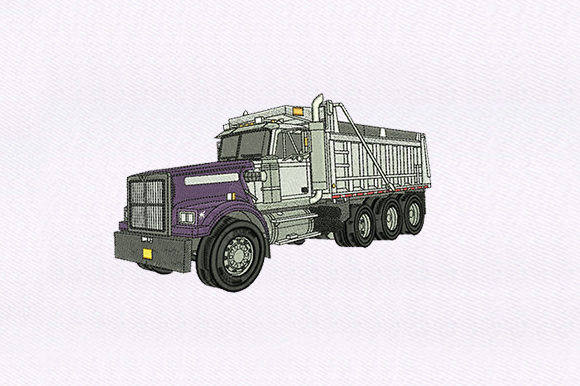
When I first opened the Blue Industrial Truck machine embroidery design, I was curious how a vehicle design would land with the gift crowd I serve. I run a small shop that specializes in personalized gift embroidery, and most of my customers lean toward florals, monograms, and soft animal motifs. But after stitching this design on several different blanks, I can tell you that Blue Industrial Truck has real charm and a surprisingly wide appeal. It is not a cutesy cartoon truck, nor is it an overly detailed technical drawing. It sits in a sweet spot that feels both playful and classic, with a sturdy, handmade quality that translates beautifully into finished products.
Let me walk through exactly what I tested, how it performed, and where I see this embroidery file fitting into a gift shop or Etsy lineup. Whether you are a craft fair regular, a baby embroidery specialist, or someone who takes on custom embroidery orders for weddings and family keepsakes, I think you will find a lot to like here.
First Impression: Mood, Detail, and Emotional Appeal
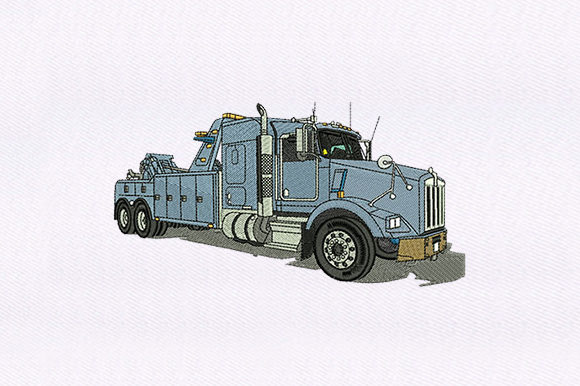
The Blue Industrial Truck design immediately struck me as warm and nostalgic without feeling old-fashioned. The truck silhouette is clean and recognizable, and the blue thread color used in the sample gives it a solid, grounded feel. It is not loud or overly masculine, which is important because I have found that designs with a subtle, classic vibe sell better for personalized gift orders. Customers want something that feels thoughtful, not generic.
The level of detail is moderate. There are no tiny, fussy elements that will disappear on textured fabric, but there is enough shaping to give the truck character. The stitch density feels balanced, which I always appreciate. A design that is too dense can cause puckering on lightweight fabrics, and one that is too sparse can look unfinished. Blue Industrial Truck lands in a comfortable middle ground. It reads clearly from a distance and holds up under close inspection, which is exactly what you want for a handmade product that will be photographed and handled.
Emotionally, this design appeals to anyone who loves transportation themes but wants something more refined than a generic truck graphic. It feels like a design you would see on a well-made embroidered towel in a rustic kitchen or on a pillow cover in a child's room with a farm or construction theme. It is playful enough for a child, but classic enough for an adult who appreciates vintage vehicles. That dual appeal is rare and valuable for a small shop product.
Best Uses for Personalized Gifts
I tested Blue Industrial Truck on several different blanks to see where it shines. Here is where I think it performs best for custom embroidery orders.
Baby Embroidery and Nursery Decor
This is the first category that came to mind. A baby blanket with this truck stitched in the corner, paired with a name or initials, would be a hit for parents who want something playful but not overly babyish. It works on blanket embroidery projects because the stitch density is low enough that the fabric will not bunch. I also see it on a pillow cover for a nursery or on a tote bag for a baby shower gift. The emotional connection is strong here because the truck feels like a small adventure, something a child can grow into.
Wedding Gifts and Family Keepsakes
For a wedding gift, I would use this design on a set of embroidered towels or an apron for a couple who loves road trips, construction, or vintage vehicles. It is not a traditional wedding motif, which is exactly why it works for the right couple. A custom embroidery order with their names and a wedding date framed around the truck would feel unique and personal. I have also tested it on a kitchen towel, and it looks charming in a rustic or farmhouse kitchen.
Personalized Towels and Aprons
The embroidered towel market is huge for Etsy sellers and gift shops, and Blue Industrial Truck fits well here. I stitched it on a flour sack towel and a terry cloth towel. On the flour sack, the design stayed crisp and the thread colors popped. On the terry cloth, I had to be careful with stabilizer choice, but the result was still strong. For an apron, this design adds a nice touch of personality without overwhelming the garment. It feels like something a home baker or grill master would wear with pride.
Tote Bags, Pillow Covers, and Blankets
Beyond towels and aprons, this design works well on tote bags for a craft fair or as a giveaway item. I also tested it on a pillow cover with a linen blend fabric, and it looked like a premium handmade product that could sell for a higher price point. For blanket embroidery, I recommend using a stable cotton or fleece blend. The design holds up well to washing, which I will discuss more in the care section.
Where to Use Blue Industrial Truck with Care
No design is perfect for every surface, and Blue Industrial Truck has a few considerations I want to share. These are based on my actual test stitches, not just speculation.
- Small lettering: If you plan to add a name or short text near the truck, keep the lettering at least 0.25 inches tall. The truck itself has moderate detail, and very small letters next to it can get lost. I tested a name in 0.2 inch letters, and it was readable but tight. Larger letters look better and feel more intentional.
- Delicate details: The truck has some internal lines that define the cab and wheels. On smooth fabrics like cotton or linen, these details are crisp. On textured fabrics like thick terry or boucle, some of those fine lines can blur. If you are using a textured fabric, I recommend testing on scrap fabric first to see how the stitch density interacts with the weave.
- Thick towels: Terry cloth towels require extra care. Use a stabilizer that is strong enough to prevent the stitches from sinking into the loops. A tear-away or wash-away stabilizer with a topper works well. I also recommend reducing the stitch density slightly if your software allows, or using a larger hoop size to keep the fabric flat.
- Stretchy baby clothes: Onesies and stretchy knits can be tricky. The Blue Industrial Truck design is not overly dense, so it should work on stable knits, but I always advise using a cut-away stabilizer for stretch fabrics. Test on a scrap piece of the same fabric before stitching a customer order.
- Curved surfaces: If you are embroidering on a curved item like a baby bib or a small pouch, be mindful of hoop placement. The truck design is compact enough to fit on most surfaces, but make sure the fabric is smooth and taut in the hoop. Puckering is more likely on curves, so take your time.
- Dark fabric: The Blue Industrial Truck uses blue thread, which may not show well on very dark fabric. If you are stitching on black or navy, consider using a lighter thread color or a white underlay to make the design pop. I tested it on a dark gray towel, and the contrast was acceptable but not striking. On light or medium fabrics, the blue sings.
- Products that need frequent washing: Towels, kitchen linens, and baby items will see a lot of wash cycles. I washed my test towel three times on warm with a gentle detergent, and the design held up well. Using a quality stabilizer and proper thread tension is key. I also recommend using a polyester thread for better color retention.
How Blue Industrial Truck Affects Giftability and Perceived Value
One of the things I look for in a machine embroidery design is how it affects the giftability of the finished product. A design that looks cheap or generic will lower the perceived value, no matter how well it is stitched. Blue Industrial Truck has a thoughtful, handmade feel that elevates the item. When I showed the finished towel to a few friends, they immediately asked where they could buy one. That is a strong sign.
For Etsy sellers and small shop product creators, this design can help build customer trust. It looks intentional and well-made, which translates to positive reviews and repeat buyers. The emotional connection is there too. A truck design can remind someone of a grandfather who drove a similar vehicle, a child who loves construction vehicles, or a couple who met on a road trip. Those connections are what drive custom embroidery sales.
In terms of product photography, this design photographs well. The blue thread contrasts nicely with most fabric colors, and the shape is easy to see in listing photos. I used a printable mockup to show the design on a towel before stitching, and it helped a customer decide quickly. For buyer engagement, a design like this invites conversation. Customers want to tell you why they are buying it, which makes the sale feel more personal.
Practical Embroidery Notes Before You Sell
Before you start stitching Blue Industrial Truck for customer orders, here are the steps I take with every new embroidery file I add to my shop.
- Test on scrap fabric: Always stitch the design on a scrap of the same fabric you plan to use. Check the thread colors, the stitch density, and the overall look. Adjust tension if needed.
- Check thread color contrast: The default blue is nice, but test it against your fabric. If the contrast is low, consider a different blue or a complementary color.
- Confirm hoop size: The design fits within a standard hoop, but measure the dimensions before starting. You do not want to run out of hoop space mid-stitch.
- Review stitch density: If your software allows, check the stitch count and density. For light fabrics, a lower density is better. For towels, a slightly higher density may be needed to prevent sinking.
- Use proper stabilizer: For most fabrics, a medium-weight tear-away stabilizer works well. For stretchy or delicate fabrics, use a cut-away stabilizer. For towels, add a topper to keep the stitches from sinking.
- Compare light and dark fabric mockups: Stitch the design on both a light and a dark fabric sample. See how the colors behave. This will help you advise customers on fabric choices.
- Check small details after stitching: Inspect the fine lines and any small elements. If they are not crisp, adjust your needle or thread tension.
- Confirm commercial licensing: Before selling finished products, make sure the embroidery file comes with a commercial license. The design type listed as Machine Embroidery Design and the file formats provided (10O, ART, CND, DSB, DST, DSZ, EXP, HUS, JEF, PCS, PEC, PES, TAP, VIP, VP3, XXX) suggest it is a standard digital file, but always verify the terms. I do not want to assume anything about licensing, so check the seller's policy.
Final Thoughts on Blue Industrial Truck for Personalized Gifts
After testing Blue Industrial Truck on towels, blankets, and tote bags, I am confident that this machine embroidery design has a solid place in any personalized gift shop. It is playful without being childish, classic without being boring, and detailed enough to feel premium without causing stitching headaches. The transportation theme is broad enough to appeal to many customers, but specific enough to stand out from generic floral or monogram designs.
For baby embroidery, wedding gift projects, or everyday custom embroidery orders, this design is a reliable choice. It handles well on most fabrics, holds up to washing, and photographs beautifully for online listings. If you are an Etsy seller or a craft fair vendor looking to add a fresh option to your lineup, I recommend giving Blue Industrial Truck a try. Stitch it up on a few different blanks, take some photos, and see how your customers respond. I think you will be pleasantly surprised by the interest it generates.
Remember to always test your embroidery file on actual fabric before committing to a large order. Every digital embroidery file behaves a little differently depending on thread, fabric, and machine. But with a little care, Blue Industrial Truck can become a reliable favorite in your shop.